How can i manage my menopause?
You might not be able to control every symptom you experience, but there are things you can do to improve your overall health and wellbeing.
- Home
- Managing your menopause
Diet and lifestyle changes
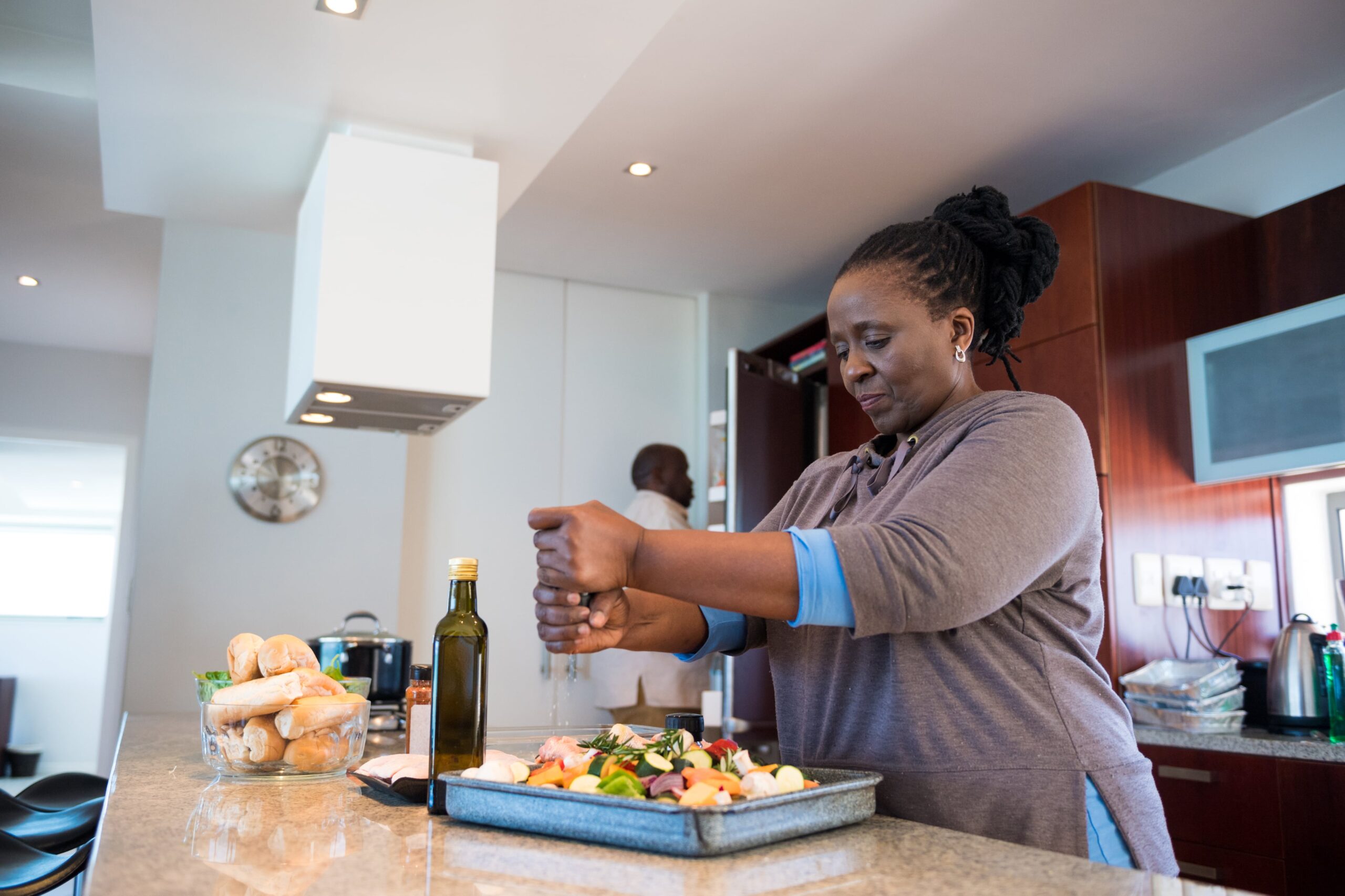
Eating a good, balanced diet and maintaining an active lifestyle can help keep you well and healthy throughout your menopause and beyond. But that’s not all – studies show that a healthy diet can improve your symptoms including hot flushes and perspiration, depression, fatigue, muscle pain, palpitations and sex drive.1
- Try to get plenty of calcium in your diet to strengthen your bones – milk, yoghurt and kale are great options. The British Dietetic Association and the Iris Nutrition and Dietetic Institution has some more useful tips.2,3
- Protein, like lean meats and pulses can help build muscle mass, which we tend to lose as oestrogen levels decrease during menopause.
- Resistance exercises can help prevent muscle loss, as well. You could join a gym or see what strength-building classes are available near you, or get some resistance bands to use at home. If it’s been a while since you’ve done much exercise – start small – this NHS programme and HSE Programme is a good place to start.4,5
Treatments for menopausal symptoms
You may have heard of hormone replacement therapy (HRT). This treatment helps to relieve symptoms of menopause by ‘topping up’ low levels of progestogen and/or oestrogen. It can also help prevent weakening of the bones (osteoporosis). There are several considerations for selecting which type of HRT is most suitable:6
- HRT hormones: these can be a combination of oestrogen and progesterone or oestrogen on its own, depending whether or not you have a womb.
- Various formats: you can take HRT as tablets, skin patches, gels, vaginal creams, pessaries, or rings.
- Treatment plans: you can take HRT continuously or in cycles over a few weeks.
- Complementary therapy: used alongside HRT, this can include things like aromatherapy.7
- Benefits and risks: while HRT can help relieve most Menopausal symptoms, some types of HRT can have an increased risk of breast cancer, stroke and blood clots in the veins.8
HRT and complementary
or alternative medicines
The NHS has useful information about the types of HRT available.6
If you are interested in starting HRT or have any questions, speak to your GP, they will explain the different types of HRT, choose the option that is best suited to you, and discuss possible side effects.
HRT is not suitable for everyone. If you’re unable to take HRT or decide not to, there are complementary/alternative options to help manage your menopausal symptoms. In addition to the lifestyle changes mentioned earlier, you could consider:7
- Herbal medicine, which is based on plants or plant extracts.
- Alternative medicine, such as acupressure, acupuncture, homeopathy.
- Non-hormonal medical treatments, such as some types of anti-depressant.
The above resource links to third party websites that Besins Healthcare has not been involved in the development of.
It’s a good idea to ask your GP or pharmacist for advice if you’re thinking about using a complementary or alternative therapy as they can guide you on suitable options, as well as finding out about various treatment options for menopause.
Your sex life
Sleep
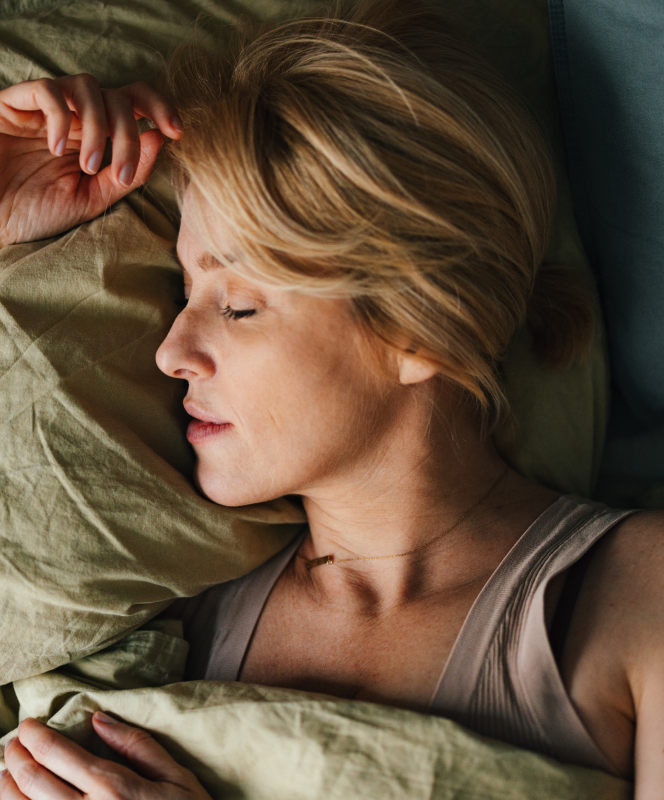
Night sweats, hot flushes and other symptoms can prevent you from getting a good night’s sleep, which can contribute to low mood and anxiety.9
- Going to bed and getting up at the same time every day is a good start in maintaining a healthy sleep schedule.
- Adding extra soothing steps to your bedtime routine like a soak in the bath, a relaxing podcast, no screen time after 9pm, can help your body and brain wind down.
- Cutting back on caffeine can also help you get a good night’s sleep
Bone health
Oestrogen can help protect joints and reduce inflammation, so when levels of this hormone drop during the perimenopause and menopause, you can experience joint pain:10,11
- To counteract bone loss, try to get plenty of calcium, magnesium, and vitamin D in your diet (or consider taking supplements).
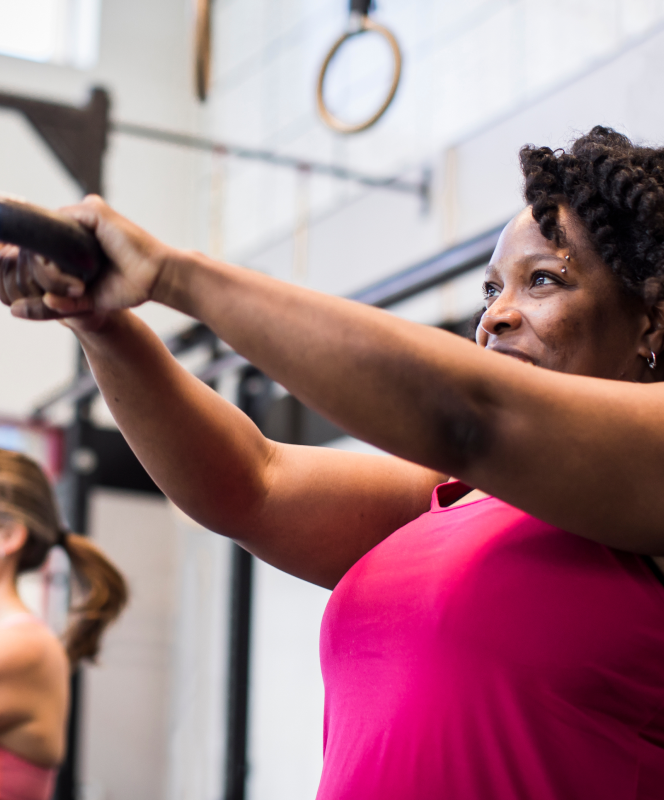
- Weight-bearing exercise – where your feet and legs support your weight – is particularly important for improving bone density and helping to prevent osteoporosis. This can include walking, jogging, aerobics – even dancing!
- However, if your joints feel sore, try a lower impact exercise such as swimming or yoga.
Mental health
Fluctuating hormones can impact your mental health during the menopause. This can manifest in many different ways, including anxiety, depression, and irritability. The good news is that there is plenty that can be done to help:12
- Lifestyle changes – eat well, sleep well, and get plenty of exercise.
- Yoga or meditation can quiet the mind and calm anxious thoughts.
- Spend time with your family and friends – try not to isolate yourself.
- Talking therapy or medication are potential options, you can speak to your doctor to discuss how you are feeling.
FAQs about managing your menopause
Just because you’re going through the menopause, doesn’t mean your sex life is over. If you want to enjoy the pleasure that is available to you in your body, either alone or with a partner, it is all still there after the menopause.13 If your vagina feels dry, painful, or itchy because of menopause, watch our video to help with conversations about this.
The Mediterranean diet is rich in healthy foods such as extra-virgin olive oil, vegetables, fruits, legumes, nuts, red wine, and whole-grain cereals. There is evidence that the Mediterranean diet acts on both weight control and menopause, in addition reducing the risk of obesity and boosting heart health.14
This could be related to decreasing hormone levels leading to hot flushes and night sweats. These symptoms increase blood flow and creates a sudden rise in temperature.11 These sensations start at the extremities of the body, so you’ll feel it in the fingers and toes, leading to hot, burning sensations in the feet that could disrupt your sleep.16
Menopausal water retention or bloating typically occurs due to fluid or gas retention, which you can blame on fluctuating hormones. Ways to prevent menopause bloating include cutting back on dairy foods, lowering salt intake, and increasing physical activity.17
Nausea, or feeling or being sick during menopause may be linked to bloating and indigestion, while insomnia and stress can make nausea worse.
Diet can help; it’s best to avoid greasy and fried food, very hot and spicy dishes. Smaller portions of lighter food can also help.
Try to drink plenty of liquids but avoid alcohol, caffeine and fizzy drinks until your stomach feels more settled. Try to stay out of hot and confined spaces, as they could make you feel worse.18
It’s important to keep in mind that our sense of smell can change during perimenopause, so we might think we smell stronger body odour than we actually do. The best way to manage body odour is to keep bathing regularly and use deodorant or anti-perspirant. Drink plenty of fluids to make up for sweating. If you are still concerned, or you notice a strange, new scent, talk to your GP.20
Menopause acne is different for everyone, for some it might last a few months, for others it can be a few years.
Menopausal acne may be triggered or made worse by hormonal changes; however, there are some factors which you can adjust, such as use of cosmetics, diet, obesity, smoking, UV exposure, medications, lack of sleep, and stress.21
This could be related to decreasing hormone levels leading to hot flushes and night sweats. These symptoms increase blood flow and creates a sudden rise in temperature.12 These sensations start at the extremities of the body, so you’ll feel it in the fingers and toes, leading to hot, burning sensations in the feet that could disrupt your sleep.13
Menopausal water retention or bloating typically occurs due to fluid or gas retention, which you can blame on fluctuating hormones. Ways to prevent menopause bloating include cutting back on dairy foods, lowering salt intake, and increasing physical activity.14
Nausea, or feeling or being sick during menopause may be linked to bloating and indigestion, while insomnia and stress can make nausea worse. Diet can help; it’s best to avoid greasy and fried food, very hot and spicy dishes. Smaller portions of lighter food can also help. Try to drink plenty of liquids but avoid alcohol, caffeine and fizzy drinks until your stomach feels more settled. Try to stay out of hot and confined spaces, as they could make you feel worse.15
Hair loss in women can be a natural part of ageing, but if you notice hair thinning during any of the stages of menopause, this could be down to menopausal hormonal changes. You might notice it on the front, sides and sometimes the top of the head. Some treatments and lifestyle changes your GP might suggest to treat thinning hair might include hair loss medication in the form of a lotion or shampoo, relaxation methods to reduce stress, such as yoga, meditation or breathing exercises, physical activity, and eating a well-balanced, nutritious diet. Try to include foods rich in iron, fatty acids, vitamin D and folic acid such as oily fish, red meat, and beans.16
It’s important to keep in mind that our sense of smell can change during perimenopause, so we might think we smell stronger body odour than we actually do. The best way to manage body odour is to keep bathing regularly and use deodorant or anti-perspirant. Drink plenty of fluids to make up for sweating. If you are still concerned, or you notice a strange, new scent, talk to your GP.17
Menopause acne is different for everyone, for some it might last a few months, for others it can be a few years. Menopausal acne may be triggered or made worse by hormonal changes; however, there are some factors which you can adjust, such as use of cosmetics, diet, obesity, smoking, UV exposure, medications, lack of sleep, and stress.18
- Hao S, et al. The effect of diet and exercise on climacteric symptomatology. Asia Pac J Clin Nutr. 2022;31(3):362–370.
- British Dietetic Association. Menopause and diet: Food Fact Sheet. Available at: https://www.bda.uk.com/resource/menopause-diet.html Accessed October 2025.
- Irish Nutrition and Dietetic Institute. Nutrition and menopause. Available at: https://www.indi.ie/women-s-health/541-nutrition-and-the-menopause.html Accessed October 2025.
- NHS. Strength exercises. Available at: https://www.nhs.uk/live-well/exercise/strength-and-flexibility-exercises/strength-exercises/ Accessed October 2025.
- HSE. Strength exercises. Available at: https://www2.hse.ie/living-well/exercise/indoor-exercises/strength-exercises/ Accessed October 2025.
- NHS. Overview. Hormone replacement therapy (HRT). Available at: https://www.nhs.uk/conditions/hormone-replacement-therapy-hrt/ Accessed October 2025.
- Royal College of Obstetricians & Gynaecologists. Alternatives to HRT for the Management of Symptoms of the Menopause. Available at: https://www.rcog.org.uk/media/gwbntgdu/sip_6.pdf Accessed October 2025.
- Hamoda H, et al. BMS, IMS, EMAS, RCOG and AMS joint statement on menopausal hormone therapy and breast cancer risk in response to EMA Pharmacovigilance Risk Assessment Committee recommendations in May 2020. Post Reproductive Health. 2021;27(1):49–55.
- National Institute of Aging. Sleep problems and the menopause: what can I do? Available at: https://www.nia.nih.gov/health/sleep-problems-and-menopause-what-can-i-do Accessed October 2025.
- NHS. Osteoporosis. Prevention. Available at: https://www.nhs.uk/conditions/osteoporosis/prevention/ Accessed October 2025.
- HSE. Menopause: Things you can do. Available at: https://www2.hse.ie/conditions/menopause/things-you-can-do/. Accessed October 2025.
- Mental Health Foundation. Menopause. Available at: https://www.mentalhealth.org.uk/explore-mental-health/a-z-topics/menopause Accessed October 2025.
- NHS Inform. Sexual wellbeing, intimacy and menopause. Available at: https://www.nhsinform.scot/healthy-living/womens-health/later-years-around-50-years-and-over/menopause-and-post-menopause-health/sexual-wellbeing-intimacy-and-menopause Accessed October 2025.
- Barrea L, et al. Mediterranean diet as medical prescription in menopausal women with obesity: a practical guide for nutritionists. Crit Rev Food Sci Nutr. 2021;61(7):1201–1211.
- Deecher DC and Dorries K. Understanding the pathophysiology of vasomotor symptoms (hot flushes and night sweats) that occur in perimenopause, menopause, and postmenopause life stages. Arch Womens Ment Health. 2007;10:247–257.
- Bansal R and Aggarwal. Menopausal hot flashes: a concise review. J Mid-life Health 2019;10:6–13.
- Healthline. Menopause and Bloating: What’s the connection? Available at: https://www.healthline.com/health/menopause/menopause-bloating#treatment Accessed October 2025.
- UK Health Centre. Nausea in menopause. Available at: https://www.healthcentre.org.uk/menopause/nausea-in-menopause.html Accessed October 2025.
- Lloyds Pharmacy. The menopause and hair loss. Available at: https://onlinedoctor.lloydspharmacy.com/uk/hair-loss-advice/menopause-hair-loss Accessed October 2025.
- Harvard Health Publishing. Why has my natural scent changed during perimenopause? Available at: https://www.health.harvard.edu/womens-health/why-has-my-natural-scent-changed-during-perimenopause Accessed October 2025.
- Bagatin E, et al. Adult female acne: a guide to clinical practice. An Bras Dermatol. 2019;94:62–75.
